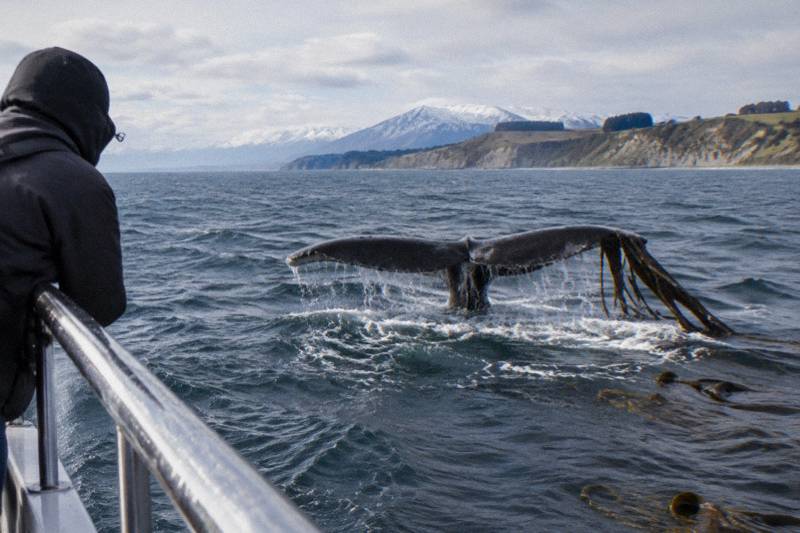
Will I Get Seasick On A Kaikoura Whale Watching Boat?
Updated November 2, 2026
An honest seasickness playbook for Kaikoura whale watching: how rough the boat gets, what actually helps, medication timing, and when a scenic flight is the better call.
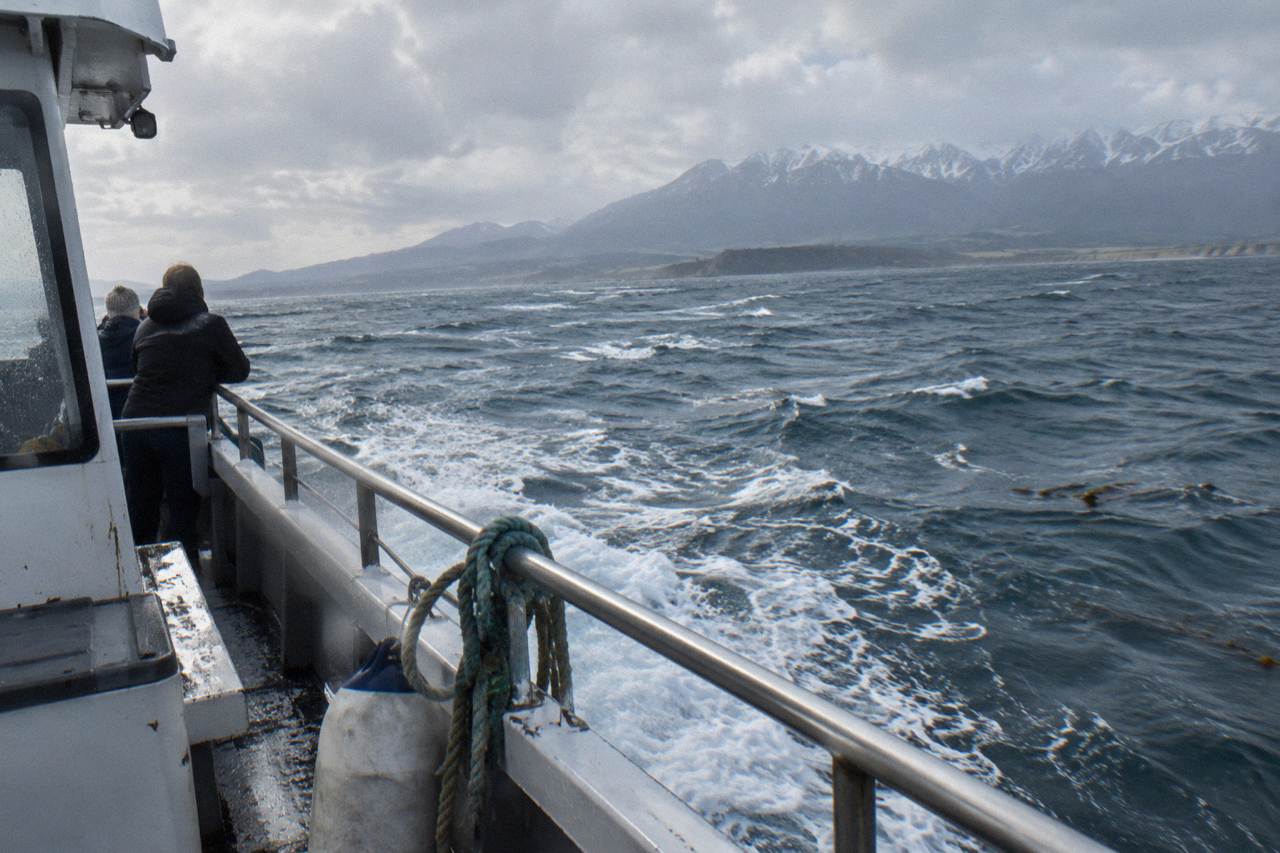
Some people are ill on the Kaikoura whale boats and most are not, and the difference comes down to sea state, your own history with motion sickness, and how early you act. Whale Watch Kaikoura runs a 3 hour 15 minute tour with just over 2 hours on the water, on a stretch of coast where the swell can be genuinely lively. Weather cancellations happen, and they are the operator's main tool for keeping passengers off unkind seas.
The honest framing is this: if you have been sick on a ferry, a fishing charter or even a long car ride as a passenger, treat Kaikoura as a real risk and manage it. If you have never been motion sick in your life, you will probably be fine, but you should still know the basics before you board. The rest of this page is the playbook.
Will I Get Seasick On A Kaikoura Whale Watching Boat?
Probably not, but some do: most passengers never feel sick, though a meaningful minority do, and your own track record on boats is the single best predictor of how you will fare. You spend just over 2 hours on open water, and if conditions look poor the operator cancels or reschedules, with free changes allowed. If you are worried, medicate early, sit low and central, and watch the horizon.
Kaikoura's boats work off a coastline that drops away steeply into deep water, which is exactly why the whales are so close to shore. That same geography means the boats leave the shelter of the peninsula and meet open Pacific swell quickly. Sea state varies day to day and season to season, so nobody can promise you a flat crossing, and no operator would.
The question "will I get seasick whale watching in Kaikoura?" is one travellers keep asking on Reddit in the New Zealand travel subreddits, usually in threads about whether the trip is worth the anxiety. The recurring gist of those threads: people who took preventive medication were mostly glad they did, people who gambled and lost spent the tour face-down on a bench, and the crew has seen both many times before. One thread about a cancelled whale watch tour also makes the point that weather cancellations are common enough that you should build slack into your itinerary, either a spare afternoon or an overnight stay, a trade-off covered properly in Kaikoura as a day trip or an overnight stay.
For the full picture on the tour itself, timings and how the day fits together from Christchurch, see the complete guide to Kaikoura whale watching. If the on-water part is what worries you, the practical decision is between the standard boat tour, a small-group version, and the air options discussed near the end of this article.
Is The Kaikoura Whale Watch Boat Very Rough?
It can be, and it depends entirely on the day. The tour is just over 2 hours on the water with a 30 minute check-in beforehand, and the operator states a sighting success rate above 90 percent, with an 80 percent refund if no whale is seen. Trips are cancelled outright when conditions are poor, so if your departure runs at all, the sea was judged acceptable. Roughness a fisherman shrugs at can still unsettle a first-timer.
The operator's own FAQ is the primary source here: the tour runs 3 hours 15 minutes door to dock-side back, children must be at least 3 years old, and departures are scheduled through the day with extra summer sailings, all detailed on the Whale Watch Kaikoura FAQ page. Cancellations for weather are handled with free changes rather than refunds once you are inside 48 hours, so a rough forecast is a signal to talk to the operator early, not on the morning.
Two things worth knowing that first-time visitors often miss. First, Kaikoura's swell is not constant across the year, but no source the operator publishes ranks the months by calm, so treat any "go in such-and-such a month for flat seas" claim you read elsewhere with suspicion. Second, the boat spends part of the tour holding station while whales dive and surface, and for many prone passengers that stationary period, not the transit, is when the stomach turns, because the vessel rolls beam-on to the swell with no forward motion to steady it.
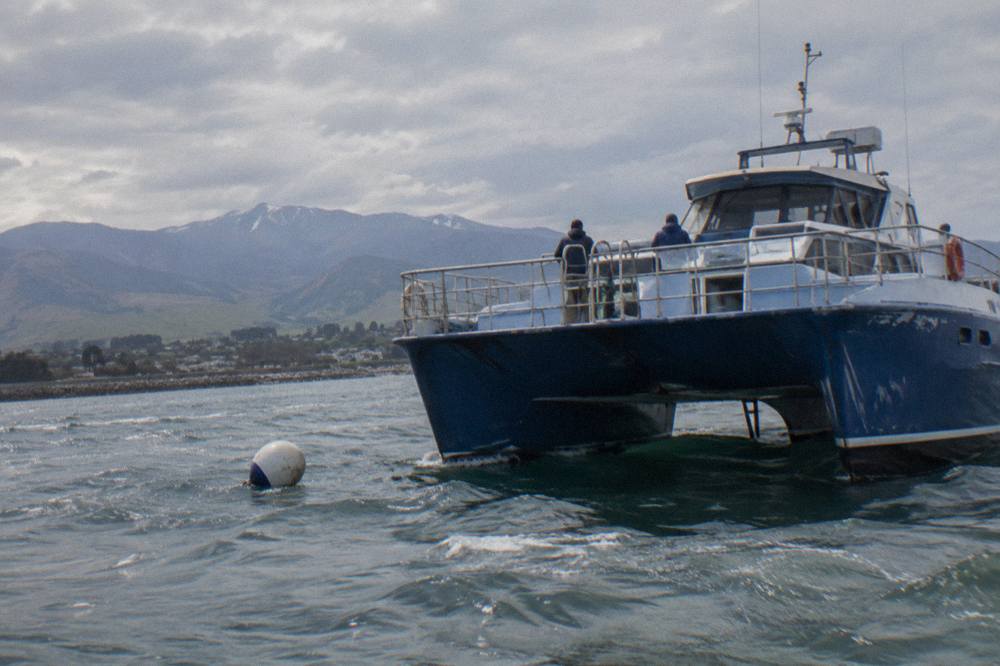
Here is a plain comparison of how the experience is described across the main ways to see Kaikoura's whales:
| Option | Time on the water or in the air | Motion character | Notes |
|---|---|---|---|
| Whale Watch boat tour | Just over 2 hours on water, 3 h 15 total | Swell and roll, worst when holding station | Operator states over 90% sighting success, 80% refund if no whale |
| Scenic flight (fixed wing) | About 30 minutes | Turbulence possible, no sea swell | Priced from about NZ$220 for 30 minutes per reseller listings |
| Helicopter whale flight | 30 minutes | Turbulence possible, no sea swell | Operator listings from about NZ$420 for 30 minutes |
| Dolphin swim boat | Half day on water | Similar swell exposure to the whale boat | Peak-season adult swim NZ$295, operator price |
That last row matters more than it looks: seasickness on a swim boat is worse in practice, because you are in the water and on it. The same caution applies to seal swimming, which Seal Swim Kaikoura runs as a boat-based activity priced NZ$159 to NZ$179 per adult. The comparison also frames the real decision: for a genuinely motion-sick-prone traveller, the air rows are not a consolation prize, they are the plan. With that settled, the question becomes which boat tour to book if you do go on the water, and how much of the surrounding day you want handled for you.
What Helps With Seasickness On A Whale Watching Boat?
The three interventions with the strongest track record are medication taken before boarding, a seat low down and near the centre of the vessel, and keeping your eyes on the horizon rather than on a screen or a book. Hydration, a light non-greasy meal a couple of hours before, and fresh air on the outside deck all help at the margins. Nothing on the boat fixes seasickness once it has fully arrived, which is why timing is everything.
Start with the medication question, because it is the one that actually changes outcomes. Oral motion sickness tablets need to be in your system before departure, typically an hour or so ahead, not swallowed as the boat leaves the wharf. Ask a pharmacist in Christchurch before you drive up; several options are available over the counter in New Zealand, and a pharmacist can match one to any other medication you take. People who vomit despite tablets are, in most traveller accounts, people who took them too late.
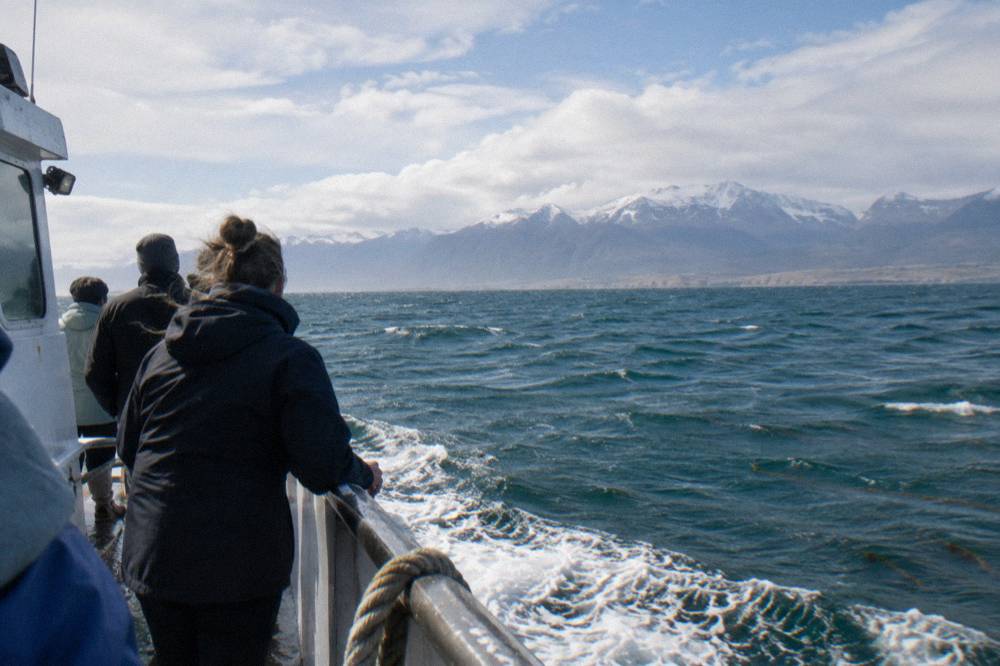
Seat choice is the second lever. Lower and closer to the centre of the boat means less arc of motion, the same principle as sitting over the wing on a plane. Outside, facing forward, with a fixed point on the horizon or the coastline, gives your inner ear and your eyes the same story. Inside on a phone screen gives them contradictory stories, and that contradiction is the mechanism of motion sickness. The crew will let you move if seats allow, and on a 3 hour 15 minute tour there is usually room to shift once underway.
A few practical points that recur in traveller advice, condensed:
| Strategy | When to apply it | Why it works |
|---|---|---|
| Motion sickness tablet | About an hour before check-in | Needs time to absorb; late dosing fails |
| Low central seat, outside deck | At boarding | Minimises motion arc, horizon reference |
| Light meal, no alcohol | The night before and morning of | Heavy or greasy food worsens nausea |
| Acupressure wristbands | Before boarding | Mixed evidence, low downside, some swear by them |
| Tell the crew early | At first symptoms | Crew can reposition you, provide bags, shorten exposure |
One more thing that belongs in the same breath: the drive. Kaikoura is about 2.5 hours' drive from Christchurch each way on SH1, so if the boat is your worry, do not add a car-sick passenger and a hungover morning to the mix. A day tour with pickup, such as the 11-hour Kaikoura whale watch day trip from NZ$390 per person with lunch included, hands the driving to someone else, which also lets a tablet-dosed passenger doze on the way home. The Christchurch departure details are on the operator's own site.
When The Boat Is Too Much: Seeing Kaikoura's Whales From The Air
If you know you get sick on boats, or you would simply rather not risk two hours on open water, a scenic flight or helicopter tour shows you whales from above with no swell at all, and sperm whales are visible from the air as distinct shapes beside their surface plumes. Fixed-wing flights start around NZ$220 for 30 minutes and helicopters around NZ$420, per operator listings. The trade-off is a shorter encounter and a different one.
From the air, a sperm whale at rest on the surface reads as a pale shape in dark water, and dusky dolphin pods show as fast-moving dark patches. You will not smell the whale's blow or hear the boat slow as the crew tracks a dive, and some people find the aerial view less intimate for exactly that reason. Others find it the more spectacular sight, particularly when dolphins mass in the hundreds.
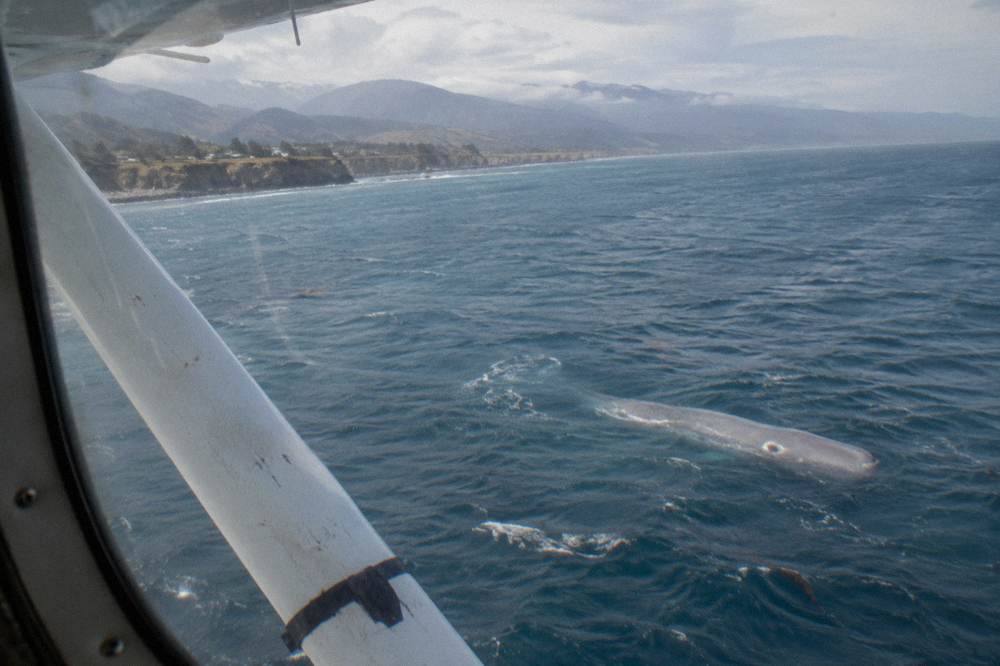
The full comparison of costs, sighting odds and who each option suits is laid out in Kaikoura whale watching: boat versus flight versus helicopter. The short version: the boat is the cheapest and longest encounter, the plane is the fastest and calmest, and the helicopter sits between them on price. Whichever you choose, the same 2.5 hour drive applies, and Kaikoura's resident sperm whales are there in every month of the year, which is the operator's central claim about its home waters on its Kaikoura page.
If you take the boat, the 10-hour Kaikoura day tour with whale watching, rated 4.6 across 311 reviews and from NZ$372 per person with lunch, is another pickup-included option that pairs well with a medicated, dozy return drive. And whatever you book, keep the cancellation rules in mind: free changes are allowed, but cancelling inside 48 hours before check-in brings no refund, and weather calls belong to the operator, not to optimism.
Booking through Christchurch Tours rather than self-driving also buys you a fallback: if the operator cancels for weather, a day tour operator reshuffles the rest of your itinerary rather than leaving you with a ferry booking and a refund to chase. A small-group Kaikoura whale day tour works the same way, with fewer fellow passengers in the vehicle and the same whale watch component at the heart of the day.
Common Questions About Seasickness On Kaikoura Whale Watching
Will I Get Seasick On A Kaikoura Whale Watching Boat?
Most passengers are fine, but a real minority are not, and your own history with boats, ferries or cars as a passenger is the best predictor. The tour spends just over 2 hours on open water. Trips are cancelled when conditions are poor, so if your sailing runs, the sea was judged acceptable, though acceptable to a crew is not always comfortable for a first-timer.
What helps with seasickness on a whale watching boat?
Take an oral motion sickness tablet about an hour before check-in, sit low and central on the boat, stay outside facing forward with your eyes on the horizon, and avoid screens, heavy food and alcohol beforehand. Tell the crew at the first symptom rather than toughing it out; they have seen it countless times and can help.
Is the Kaikoura whale watch boat very rough?
It depends entirely on the day. Kaikoura's coast drops into deep water quickly, so the boats meet open Pacific swell soon after leaving the harbour. The operator cancels sailings in poor conditions. Many prone passengers find the stationary periods while whales dive, rather than the transit, are when the roll bothers them most.
Can I get a refund if I feel too unwell to continue?
The published rules cover sightings and cancellations rather than seasickness: an 80 percent refund applies if no whale is sighted, and free changes are allowed, while cancelling inside 48 hours before check-in brings no refund. If you are worried, raise it with the operator or your tour company before the 48 hour window closes.
Is a flight a good alternative if I get seasick easily?
Yes. Fixed-wing whale flights take about 30 minutes from roughly NZ$220 and helicopters from about NZ$420 per operator listings, with no swell exposure at all. You trade the close, slow boat encounter for a calmer, shorter aerial view, which many motion-sick travellers consider an easy trade.