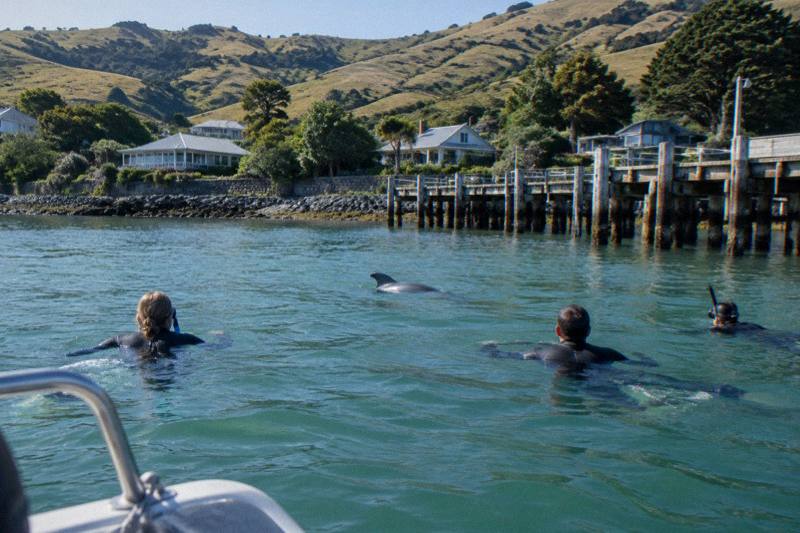
What Should You Wear For The Akaroa Dolphin Swim?
Updated November 2, 2026
A practical packing list for the Akaroa dolphin swim: what the operator supplies, what to wear underneath the 5mm wetsuit, what to leave behind, and how to handle seasickness.
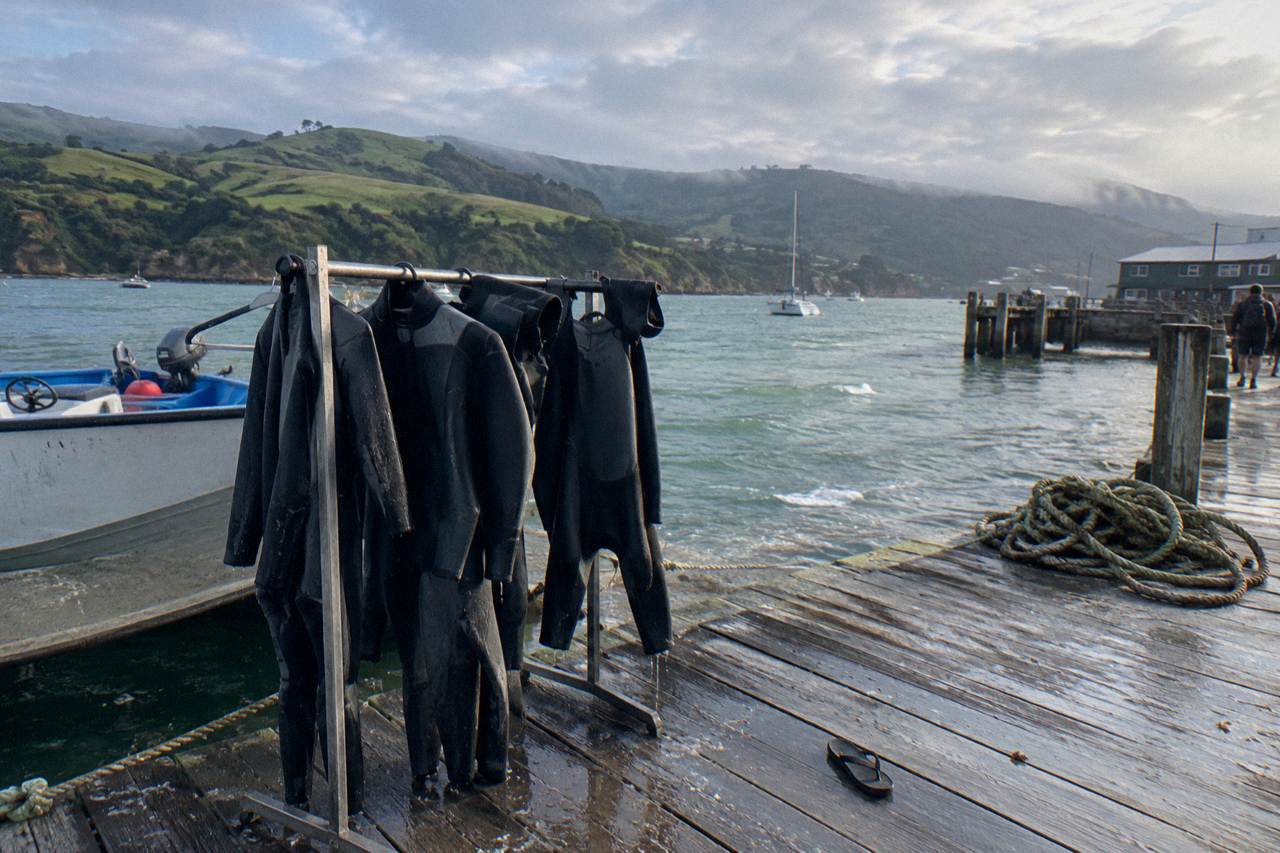
The Akaroa dolphin swim supplies its own kit. Black Cat Cruises provides a 5mm wetsuit and mask for every swimmer, the swim runs only from 1 October to 30 April, and almost everything else a nervous first-timer packs can stay on the bus. What actually matters is what goes underneath the suit, what goes on top of it afterwards, and how you manage the boat ride out to the dolphins. This article works through each of those, with the operator's own published details behind every claim.
What Should You Wear For The Akaroa Dolphin Swim?
Wear a swimsuit underneath the supplied 5mm wetsuit, with warm dry layers, a towel and something for your feet for afterwards. The operator provides the wetsuit and mask, so you bring nothing technical: no fins, no snorkel purchase, no dive gear. The single biggest clothing mistake is showing up with nothing warm to change into, because the boat ride back is colder than the water.
The wetsuit does most of the work, and it is a thick one: 5mm is the thickness the operator lists for the swim, along with a mask, on its season information page. A suit that thick takes effort to get on when dry, so arrive already wearing your swimwear underneath your street clothes. Changing happens at the operator's base, and you step into the suit over the swimsuit. Anything with metal, hard seams or bulky straps underneath will press into your skin for the 3.5 hours the swim trip runs, so a plain one-piece or close-fitting trunks beat a fashion bikini with hardware.
For after the swim, pack as if you were going to a cold beach in spring: a full change of dry clothes, a proper towel, a warm hat, and a fleece or puffer. Your hands will be clumsy and cold when you peel the suit off, which is not the moment to be fumbling with small buttons. Flip-flops or slides work for the jetty; the walk from the check-in at 61 Beach Road to the boat is short and paved.
If you are still deciding whether to get in the water at all, the Akaroa dolphin swim versus cruise comparison breaks down the same harbour from both positions, and the broader guide to Akaroa dolphin tours from Christchurch covers every way to get there from the city. On Christchurch Tours the featured swim product is the full-day swim with dolphins tour from Christchurch, from NZ$385 per person with pickup and about 9 hours door to door.
Is The Water Cold When Swimming With Dolphins In Akaroa?
Yes, by swimming-pool standards it is cold year-round, which is exactly why the operator issues a 5mm wetsuit rather than a thinner one. The suit changes the experience completely: the water is cold, but the wetsuit makes it tolerable, and some swimmers still find it very cold and the neoprene does its job. Without the suit the swim would not be a 3.5-hour product.
The honest answer is that Akaroa Harbour is southern-ocean water, and the swim season itself tells you the operator only runs it in the warmer half of the year, 1 October to 30 April. Black Cat's own season page confirms the swim window and the supplied 5mm wetsuit and mask, while noting that the dolphins themselves are present and the cruises run in every month. Winter swimmers do not exist here because there is no winter swim product, and that is worth knowing before you plan a July trip around one.
| Item | Supplied or bring | Why |
|---|---|---|
| 5mm wetsuit | Supplied by operator | Listed on the swim season page |
| Mask | Supplied by operator | Listed on the swim season page |
| Swimsuit | Bring, wear underneath | Worn under the suit during the swim |
| Towel and dry clothes | Bring | You change back at the base afterwards |
| Warm hat and fleece | Bring | The boat ride back is the coldest part |
| Fins / snorkel | Not needed | The swim is a surface swim with dolphins, mask only |
Do They Provide Wetsuits For The Akaroa Dolphin Swim?
Yes. Black Cat Cruises provides a 5mm wetsuit and a mask for every swimmer, included in the swim price, with the swim product priced at NZ$250 for adults, NZ$220 for children aged 8 to 15, and NZ$180 for spectators who stay on the boat. Children under 8 do not swim on this product, so there is no child wetsuit scenario to plan for.
That pricing comes from the operator's own site, and it is worth separating from the packaged day trips that bundle the swim with transport from Christchurch. The Akaroa Dolphins competitor, by contrast, publishes cruise-only pricing (adult NZ$140, child NZ$70) because it does not run a swim product at all. So the wetsuit question has one clean answer: on the swim, the suit and mask arrive with the boat.
Sizing is the practical follow-up. Wetsuits come graded by height and weight, and staff fit you at check-in. Two things make fitting faster: being in your swimsuit already, and being honest about your weight rather than optimistic, because a suit that is too big floods with cold water and a suit that is too small will not close at the shoulders. If you are at the edge of a size range, say so and ask for the larger one tried first.
What To Leave On The Bus Or In The Bag
Leave everything you would grieve for: phones, cameras, jewellery, watches, and anything in pockets. The boat has no secure lockers for each swimmer, the deck gets wet, and hands stay cold and clumsy for the rest of the trip. A towel, dry clothes and a sealed water bottle cover the real needs.
Rings and necklaces are the classic losses: they slide off cold, pruned fingers into harbour water and are gone. A GoPro on a wrist strap is the one exception many operators tolerate, but confirm the policy when you check in rather than assuming. Prescription glasses wearers should note that a mask cannot go over glasses, so contact lenses are the practical answer, and a strap for sunglasses on deck saves the other classic loss.
The drive out matters here too. Akaroa is about 90 minutes from Christchurch on a winding road via SH75, per the town's official planning site, and that matters twice: once on the way out for anyone prone to carsickness, and once on the way back when you will be tired and salty. Keep the warm layer in the day bag, not buried under the luggage the Akaroa day trip cost breakdown helps you plan for.
| Leave on the bus | Bring in the day bag | Wear on the boat |
|---|---|---|
| Phone (or sealed in a pocket bag) | Towel | Swimsuit under clothes |
| Jewellery and watches | Full dry change of clothes | Sunglasses with a strap |
| Big cameras | Warm hat and fleece | Sunblock on face and hands |
| Non-waterproof wallet items | Water bottle | Shoes you can slip off fast |
Motion Sickness: The Part Of The Packing List Nobody Mentions
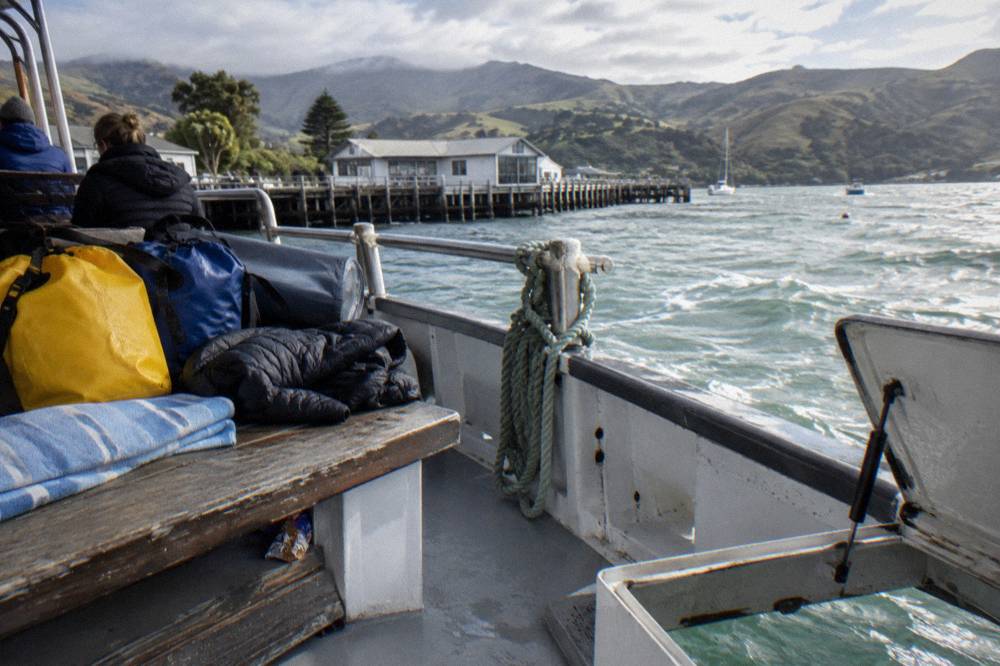
Take your seasickness precaution before the drive, not at the jetty: the tablet versions of common remedies want an hour to work, the harbour trip adds boat motion on top of a winding 90-minute drive, and a swimmer who is queasy cannot enjoy any of it. Ginger chews and acupressure bands are the non-drowsy fallback, but medication beats hope if you know you are prone.
The sequence is the trap. You leave Christchurch on a road that locals describe as winding, arrive at Akaroa, board a boat that idles at the jetty before heading out, and only then get in the water. That is three separate motion environments in one morning, and the swim itself, floating on the surface while dolphins move beneath, is calmer than the boat ride out. Swimmers who dose at the jetty have missed the window.
Two practical rules round it out. First, eat something plain beforehand: an empty stomach is not a defence, it is a liability. Second, if you are sick on the way out, tell the crew before you get in the water rather than after; the spectator option exists (NZ$180 on the operator's own pricing) and switching to it on the day beats a miserable 3.5 hours. For anyone weighing whether the whole day is manageable, the swim versus cruise question is worth settling before you book, and the two-hour Black Cat harbour cruise is the no-swim version of the same harbour, from NZ$116 on the live listing.
A final note on the day's shape: the full swim day trip from Christchurch runs about 9 hours with pickup included, so the packing list above is really a day-bag list, not a beach-bag list. Sunblock matters even on grey days; the UV in New Zealand is strong in every season, so wear it even on grey days.
Common Questions About The Akaroa Dolphin Swim
What Should You Wear For The Akaroa Dolphin Swim?
A swimsuit worn underneath the supplied 5mm wetsuit, plus a towel, a full change of dry clothes, warm layers and easy footwear for afterwards. The operator provides the wetsuit and mask, so you bring nothing technical, only the dry, warm kit for the boat ride back.
What do you wear to swim with dolphins?
A close-fitting swimsuit with no metal or bulky straps, worn under the operator's 5mm wetsuit. Bring a towel, dry clothes, a warm hat and a fleece for after the swim, and leave jewellery, watches and phones on the bus or in a sealed bag.
Is the water cold when swimming with dolphins in Akaroa?
Yes, it is southern-ocean harbour water, which is why a 5mm suit rather than a thin one is standard issue. Most swimmers feel an initial cold flush at the collar and wrists, then warmth once the suit fills. The swim only runs from 1 October to 30 April for this reason.
Do they provide wetsuits for the Akaroa dolphin swim?
Yes, Black Cat Cruises provides a 5mm wetsuit and mask for every swimmer, included in the price. Staff fit you at check-in from graded sizes, and being already in your swimsuit makes the fitting faster.
Can children do the Akaroa dolphin swim?
Children aged 8 to 15 can swim, priced at NZ$220 on the operator's own pricing, and under-8s cannot. Spectators of any age can stay on the boat for NZ$180, which is the family fallback if one member is too young or prefers to stay dry.
What if I get seasick on the way out?
Tell the crew before you enter the water. Take any tablet remedy an hour before boarding rather than at the jetty, eat something plain beforehand, and remember the spectator option exists so a rough morning does not have to sink the whole trip.