Christchurch Rebuild Walking Route: Cardboard Cathedral, Quake City And More
Updated November 2, 2026
Four rebuild landmarks sit within a 30 minute walk of Cathedral Square, and you can see all of them in half a day on foot.
Short answer
The core rebuild walk links the Cardboard Cathedral at Latimer Square, the 185 Chairs memorial, the Bridge of Remembrance and Quake City at 299 Durham St North, roughly 3 to 4 km end to end. Allow 3 to 4 hours plus museum time. A guided alternative, the 6 hour small-group city tour with punting, runs from NZ$399 per person.
The Christchurch rebuild is best read on foot, and the four landmarks most visitors come for, the Cardboard Cathedral, the 185 Chairs memorial, the Bridge of Remembrance and Quake City, all sit within about 3 to 4 km of each other. The transitional cathedral opened in 2013 at Latimer Square, designed by Shigeru Ban, and Quake City sits at 299 Durham St North as the dedicated earthquake museum. Half a day covers the walk at an easy pace, and a tram loops much of the same ground if your legs give out.
What Happened In The Christchurch Earthquake?
Christchurch was devastated by the Canterbury earthquakes, a sequence of major quakes that ruined the neo-Gothic Anglican cathedral, condemned or demolished thousands of buildings, and left large areas of eastern suburban land judged unsafe to rebuild on. The city centre has since been progressively rebuilt, and the rebuild landmarks on this route are the visible record of that period.
The Canterbury earthquakes reshaped the city faster than almost any rebuild programme in New Zealand's history. Whole blocks of the CBD came down in controlled demolitions, and the ruins of the Anglican cathedral on Cathedral Square stood fenced for years while its future was argued over. Out of that gap came some of the city's most recognisable new structures, including the Cardboard Cathedral.
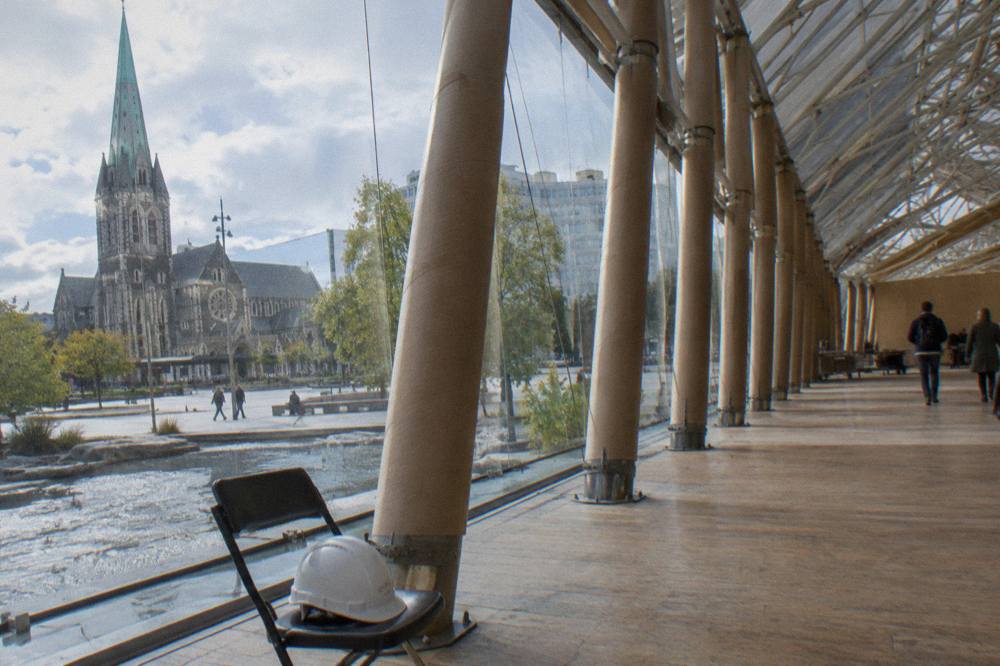
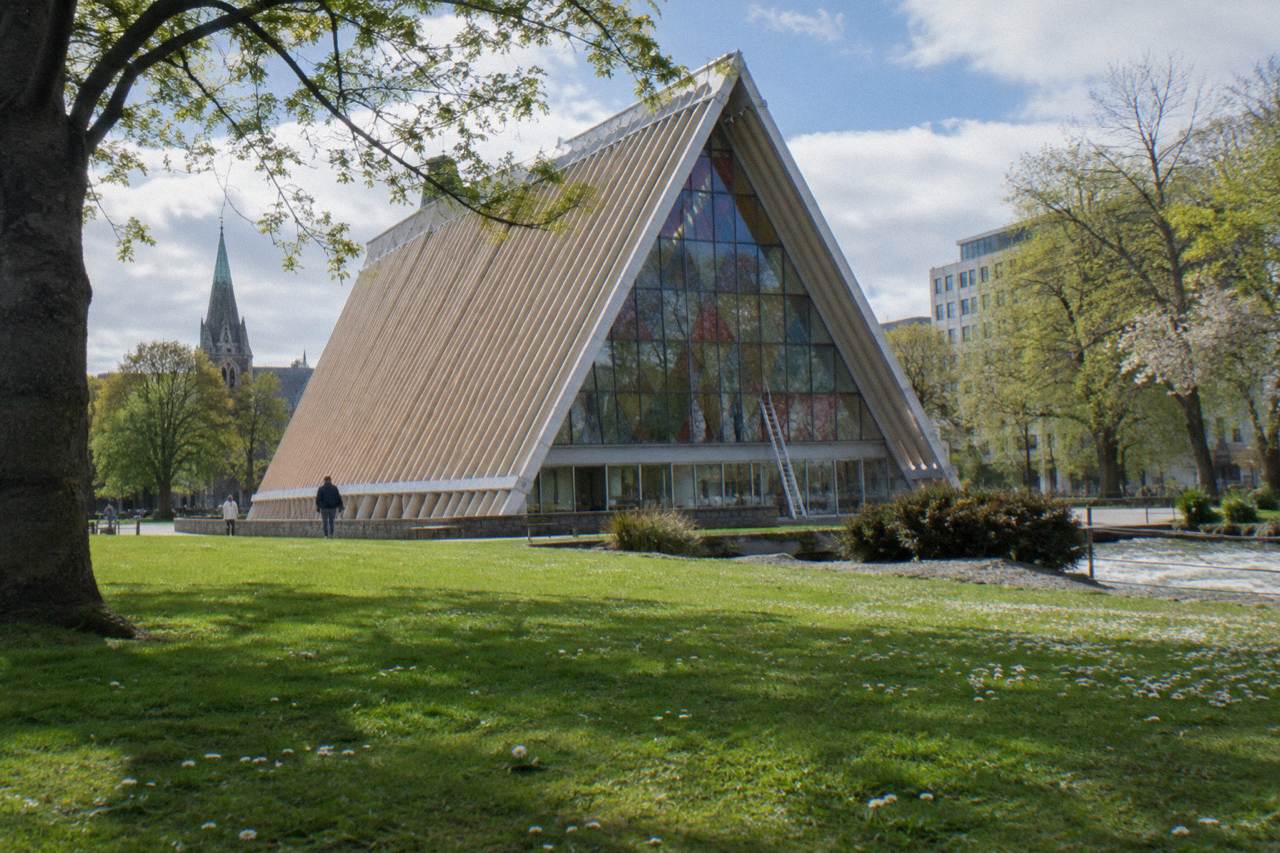
The transitional cathedral, by Japanese architect Shigeru Ban, opened in 2013 on the corner of Latimer Square, a few blocks east of Cathedral Square. Its A-frame of cardboard tubes, timber, steel and polycarbonate was built as a temporary replacement for the ruined cathedral and became a permanent fixture of the rebuild skyline. It is the single most photographed piece of rebuild architecture in the city, and it anchors the eastern end of this walking route.
The rebuild was not only about new buildings. It was also about removing them: land along the Avon River and in the eastern suburbs was cleared after the quakes, which is where the red zone story in this route begins. Visitors regularly ask about that cleared land, so this walk takes you past its edges as well as its landmarks. For a broader picture of how the city presents itself now, the Christchurch city sightseeing overview covers the tram, gondola and Antarctic Centre in one place.
The Self-Guided Christchurch Rebuild Walking Route
The route runs roughly east to west in four stops: the Cardboard Cathedral at Latimer Square, the 185 Chairs memorial on Cashel Street, the Bridge of Remembrance over the Avon, and Quake City on Durham St North. The full walking distance is about 3 to 4 km plus return, takes 3 to 4 hours without museum entries, and costs nothing on foot except your Quake City ticket.
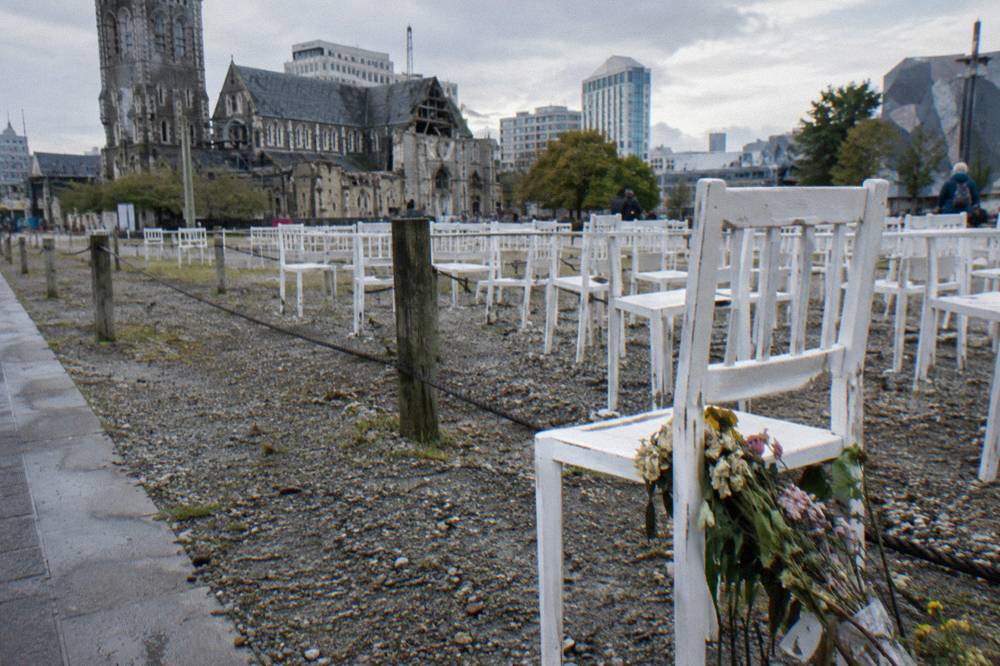
Start at Latimer Square, the grassed rectangle where the Cardboard Cathedral stands. From there it is a short walk west along Cashel Street toward the river, crossing the rebuild zone's retail heart. The second stop, the 185 Chairs installation, is a memorial of painted white chairs, one for each life lost in the February earthquake, arranged on the site of a demolished building. It is deliberately quiet and needs no ticket, just a few minutes of your time.
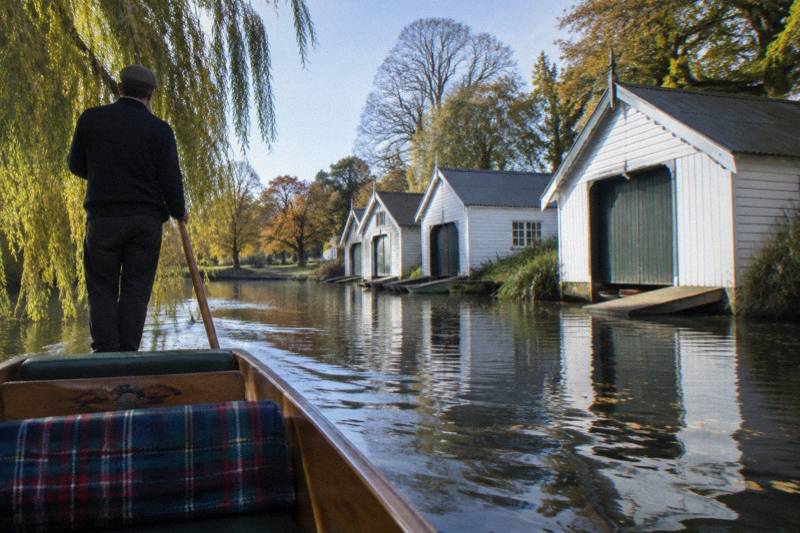
From the chairs, continue west to the Avon River and the Bridge of Remembrance, the stone arch war memorial at the top of the City Mall precinct. The bridge predates the earthquakes, but the plaza around it was rebuilt after them and it now marks the entry to the river walkways. Punting on the Avon departs nearby: punting runs at NZ$45 per adult for a 30 minute ride, from Antigua Boat Sheds year-round and Worcester Bridge in summer, a good midway rest on this route.
The final stop is Quake City at 299 Durham St North, about 15 minutes north of the bridge. Entry pricing has not been verified in a source we can cite, so check the price with the museum directly; the sections below cover what the museum holds and who it suits. Walking back to Cathedral Square from there closes the loop in about 15 minutes.
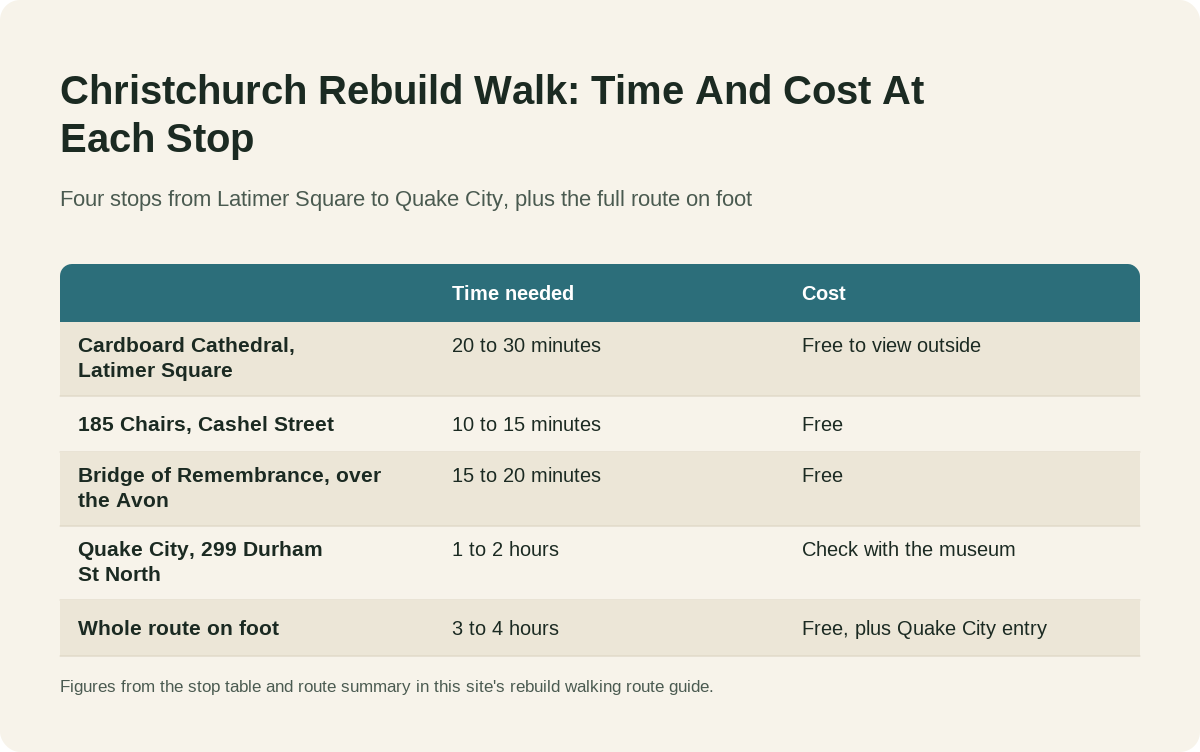
| Stop | What it is | Time needed | Cost |
|---|---|---|---|
| Cardboard Cathedral, Latimer Square | Shigeru Ban transitional cathedral, opened 2013 | 20 to 30 minutes | Free to view outside |
| 185 Chairs, Cashel Street | White chair memorial to the February earthquake | 10 to 15 minutes | Free |
| Bridge of Remembrance, over the Avon | Rebuilt war memorial plaza at the City Mall | 15 to 20 minutes | Free |
| Quake City, 299 Durham St North | Dedicated earthquake museum | 1 to 2 hours | Check with the museum |
A tram runs an 18 stop loop through much of this ground if you would rather ride between stops: the 1 day tram ticket is NZ$42 per adult, with the full loop taking about 50 minutes. Some travellers prefer to walk out and tram back, which the hop-on nature of the ticket allows. Readers planning a longer city stay can weigh that against the pass options in the sightseeing pass value comparison, from NZ$122 per person and rated 4.5 across 82 reviews.
The walk also passes within reach of the city's other headline attraction: the International Antarctic Centre sits near the airport rather than the CBD, so treat it as a separate half-day. General admission is NZ$74 per adult, NZ$49 per child 5 to 15, and includes the Hagglunds ride, the 4D theatre and the penguins; the fuller verdict is in the Antarctic Centre ticket price review.
What Is A Red Zone In Christchurch?
The red zone is the land, mostly along the Avon River and through the eastern suburbs, that was cleared of homes after the earthquakes because the ground was judged too damaged to rebuild on safely. Thousands of properties were bought out and demolished, leaving large grassed areas. In the city centre the frame of that clearance shapes the walk, with gaps between new buildings that are slowly turning into parks and river corridors.
The term comes from the zoning used after the quakes: land classified red was abandoned for residential use, while land classified green stayed buildable. The largest red zone areas run through the eastern suburbs along the river, but the visitor-facing edge of it is the riverside land near the CBD, where cleared sites now sit as open lawn. Walking the route above, you cross the rebuild where that clearance meets the new construction.
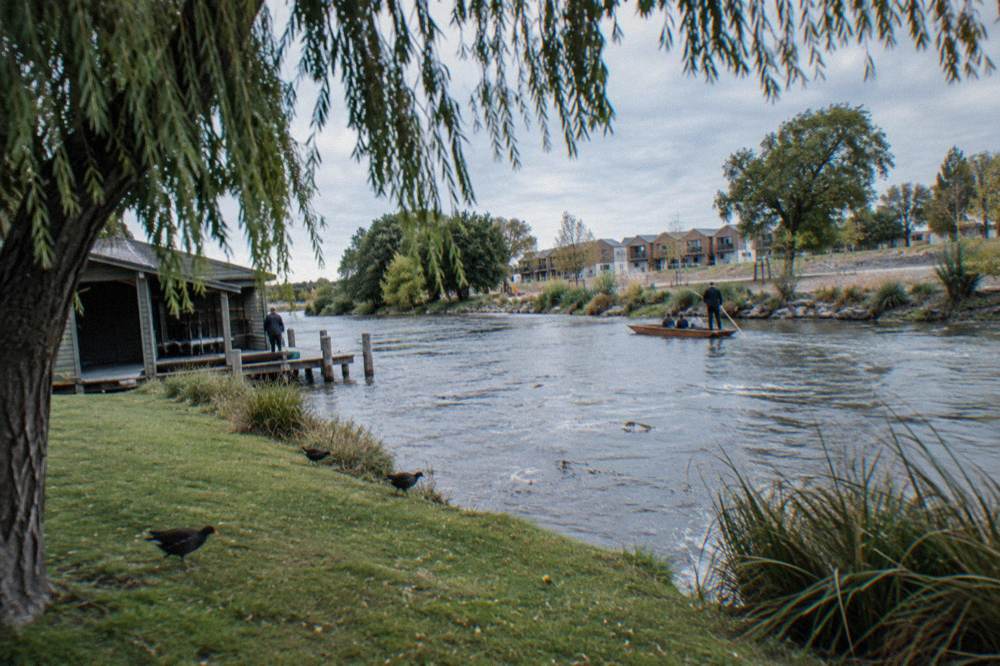
A practical note for route planning: the red zone land and the river corridors are pleasant but largely signposted at a community level rather than a tourism level, so the four named stops in the table above carry most of the interpretive weight. If you want the full story told to you, that is the strongest argument for the guided option later in this article.
One stop worth adding sits above the city rather than in it. The gondola on the Port Hills gives a wide view over the rebuild from the crater rim, and a gondola ride ticket costs NZ$45 per adult for the roughly 10 minute ride each way. It pairs naturally with the walking route on a clear afternoon, and the gondola and tram combo ticket, from NZ$80 per person and rated 4.6 across 854 reviews, bundles both.
Is Quake City Worth Visiting?
Quake City is worth visiting if you want to understand what the Canterbury earthquakes did to the city, because it is the only museum dedicated to that story, housing salvaged artefacts, exhibits on the science of the liquefaction that wrecked the eastern suburbs, and pieces of the ruined cathedral. Allow 1 to 2 hours. It suits first time visitors on this route better than a second visit to the city.
The museum's strength is that it shows the mechanics, not just the aftermath. Exhibits explain how liquefaction turned solid ground to slurry, and displays of personal objects and building fragments make the numbers human. Entry pricing is not published in a source we can verify, so ask at the counter or check the museum's own site before you go; budget roughly the cost of a mid-range museum ticket for planning purposes.
If the weather turns wet mid-route, the walking order changes rather than the walk dying. Quake City and the Cardboard Cathedral interior are the two rain-safe stops, and the tram covers the rest under cover. The rainy day ideas for Christchurch expand that fallback list further, from the art gallery to the hot pools.
The Guided Alternative: City Tour With Avon Punting
The guided alternative is the 6 hour Discover Christchurch small-group tour, from NZ$399 per person with hotel pickup and lunch included, rated 5.0 across 140 reviews on its live listing. It covers the rebuild landmarks, the city highlights and a punt ride on the Avon in one structured day, which suits travellers who want the story narrated rather than self-discovered.
The trade-off is simple. Self-guided costs almost nothing and moves at your pace; guided costs NZ$399 per person and buys context, transport and a punting ticket you would otherwise buy separately at NZ$45 per adult. The tour also reaches places a walk does not, including the Port Hills viewpoints, without you needing to arrange a bus or a rental car for the day.
| Option | Price per person | What it includes | Rating |
|---|---|---|---|
| Self-guided walk | Free, plus Quake City entry | The four rebuild stops on foot | Not applicable |
| Tram 1 day ticket | NZ$42 | 18 stop hop-on loop, about 50 minutes | Operator ticket, no tour rating |
| Gondola and tram combo | NZ$80 | Gondola ride plus tram loop | 4.6 across 854 reviews |
| 2 day sightseeing pass | NZ$122 | Tram, gondola and punting over 2 days | 4.5 across 82 reviews |
| Small-group city tour with punting | NZ$399 | 6 hour guided day, pickup and lunch included | 5.0 across 140 reviews |
For families and shorter visits, the middle path is the two day sightseeing pass, which bundles the tram, gondola and punting without a guide and does the sums against buying each ticket separately. Whichever way you go, Christchurch Tours keeps every option on one page with live pricing. The small-group city tour with punting is the one to pick if narration matters.
Common Questions About The Christchurch Rebuild Walk
What is a red zone in Christchurch?
The red zone is land, mostly along the Avon River and through the eastern suburbs, that was cleared of homes after the Canterbury earthquakes because the ground was too damaged to rebuild on safely. It survives as large grassed corridors, and the city centre edge of that clearance sits beside this walking route.
What happened in the Christchurch earthquake?
The Canterbury earthquakes devastated the central city: the Anglican cathedral was ruined, thousands of buildings were demolished, and eastern suburban land was zoned out of residential use. The rebuild landmarks on this route, from the 2013 Cardboard Cathedral to Quake City, record that period.
Is Quake City worth visiting?
Yes, if you want to understand the earthquakes rather than just see the rebuilt city. It is the dedicated earthquake museum, with salvaged artefacts, liquefaction science and cathedral fragments. Allow 1 to 2 hours, and check entry pricing with the museum directly, as we cannot cite a verified figure.
How long does the rebuild walking route take?
About 3 to 4 hours on foot for the four stops, covering roughly 3 to 4 km, plus 1 to 2 hours inside Quake City if you enter. The tram can shorten the walking between stops on a 1 day ticket at NZ$42 per adult.